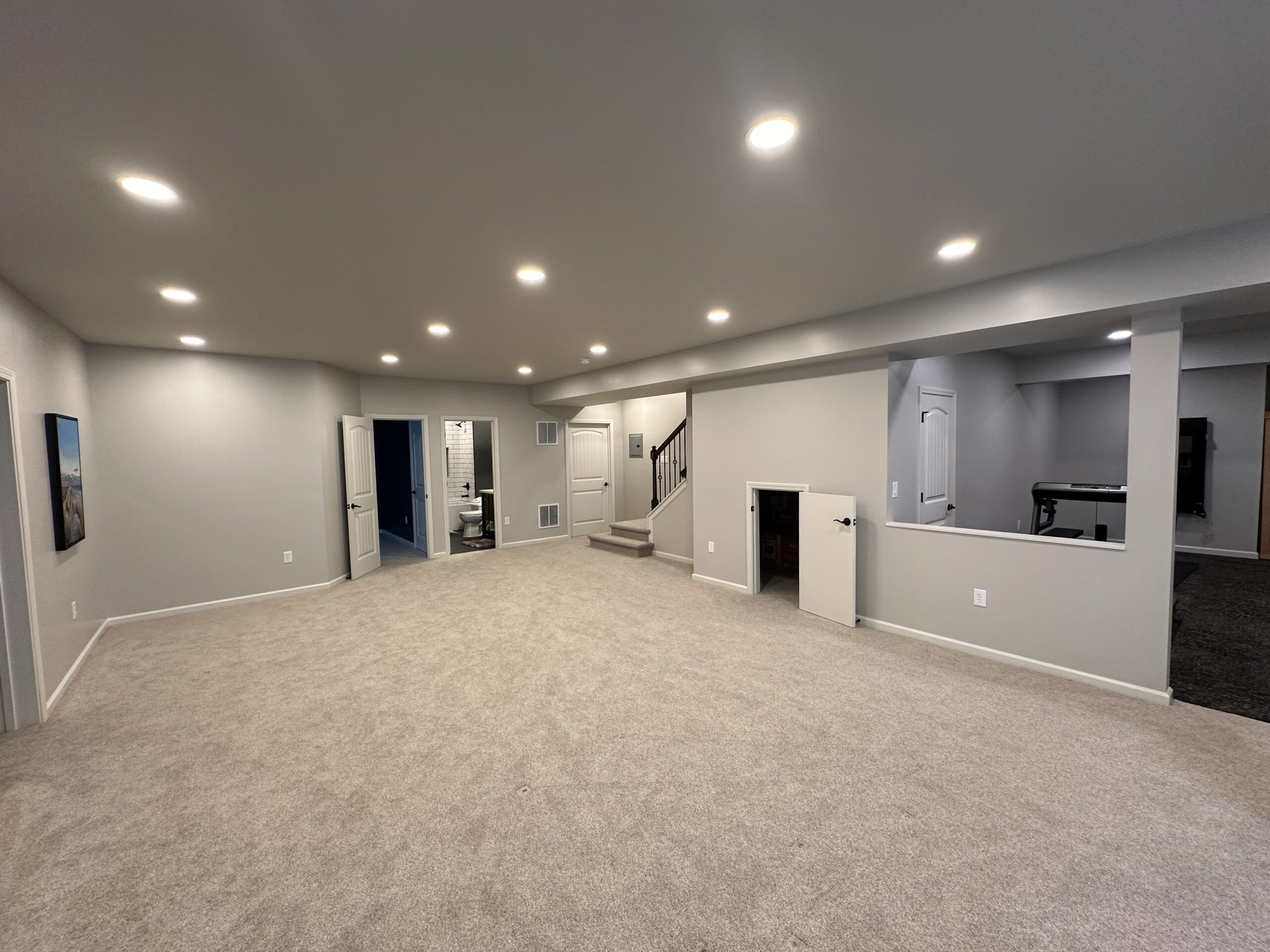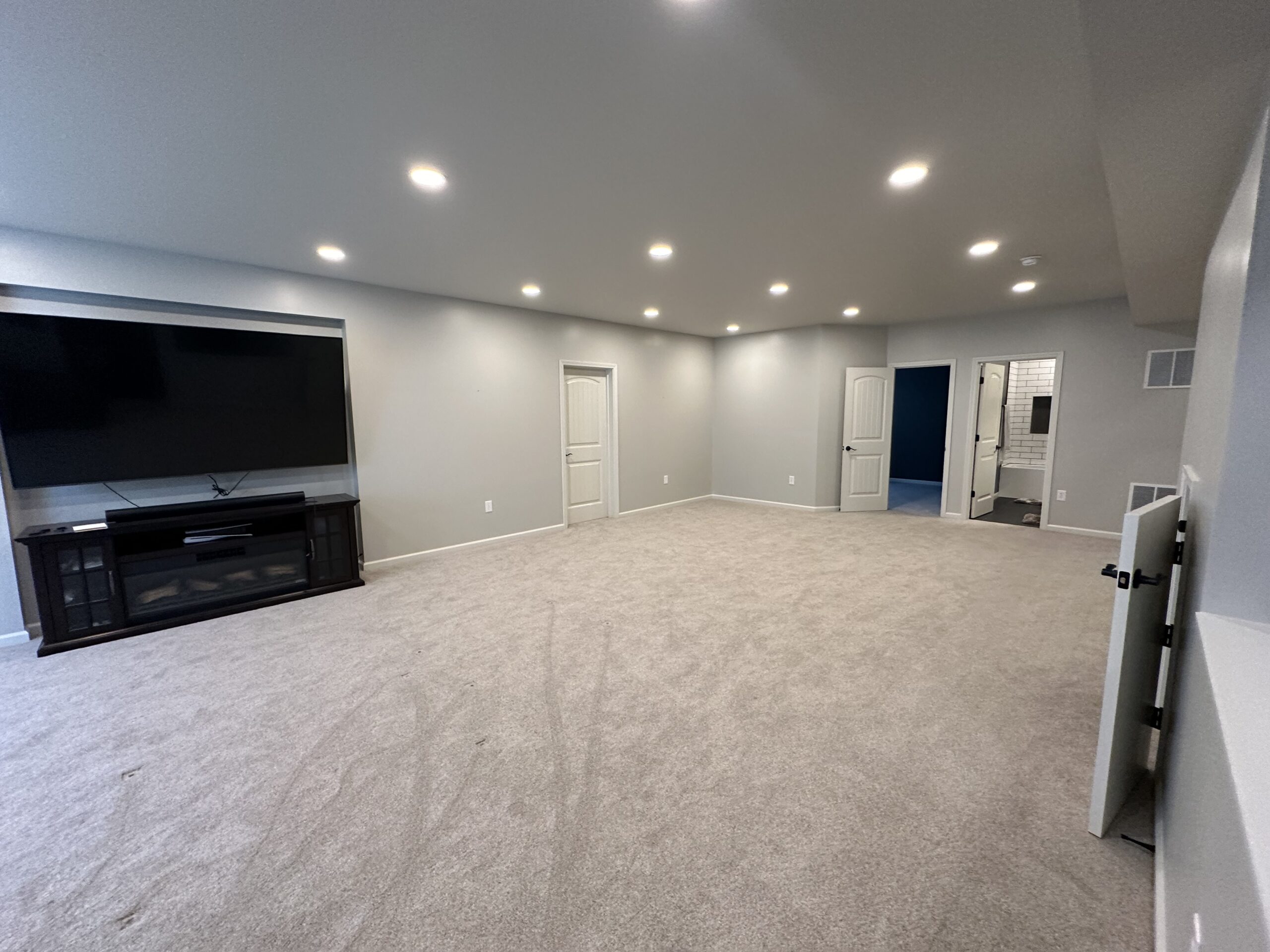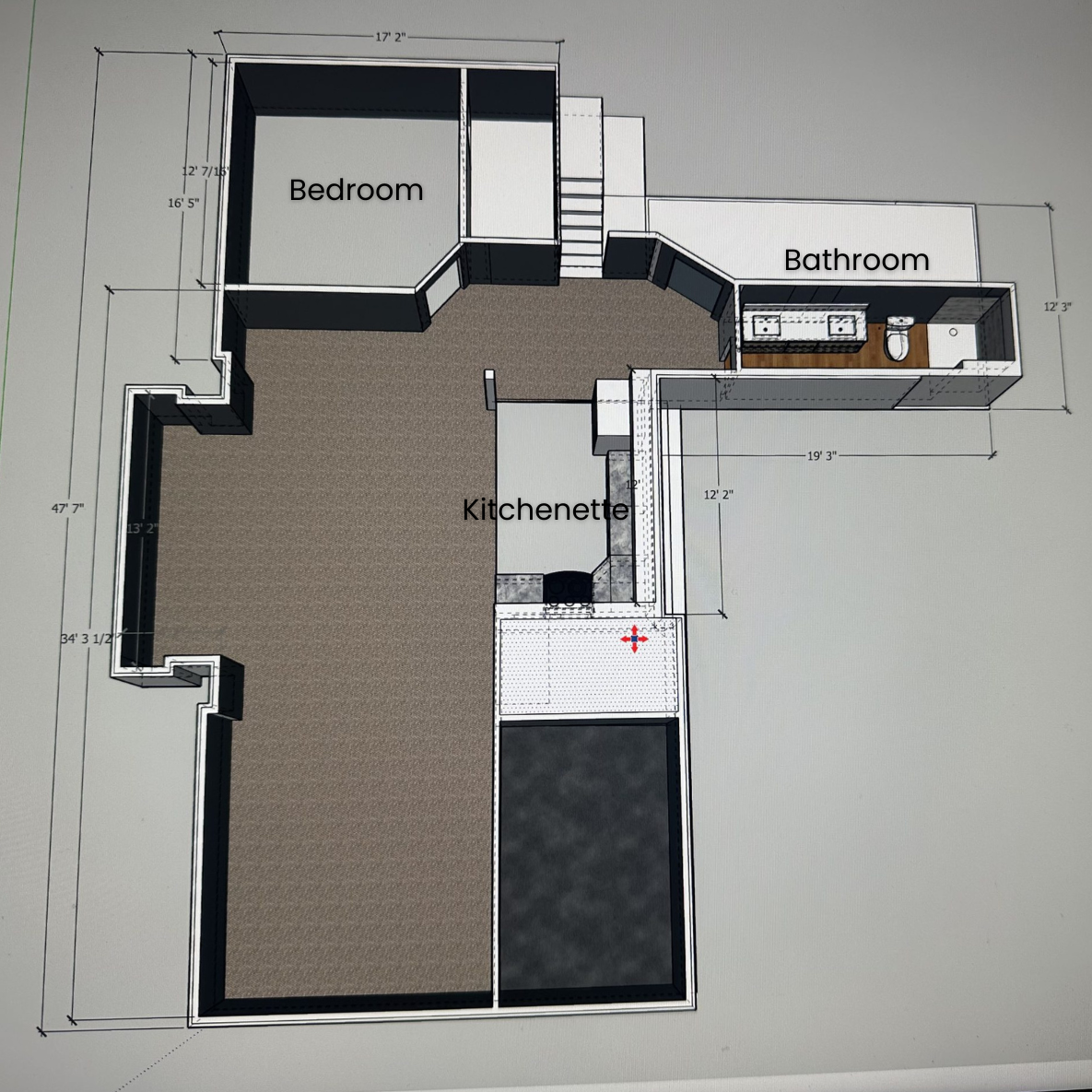
When the temperature drops, we ask more of our homes. The kitchen becomes a gathering spot, hallways turn into gear storage, and living rooms do double duty as theaters and playrooms. A well-finished basement can take pressure off the rest of the house—but only if it’s designed for basement comfort first. That means the invisible details (insulation, air sealing, HVAC balance, lighting, and sound) have to work together so the space feels warm, quiet, and genuinely livable all winter.
Start with the envelope: insulation + air sealing
Comfort begins at the boundaries—rim joists, exterior walls, and the floor system. Proper insulation and air sealing keep surfaces warmer to the touch, reduce cold drafts, and help your HVAC do its job efficiently. Energy.gov’s “Where to Insulate in a Home” is a clear overview of the key areas that matter (including basements and crawl spaces) and why each layer counts for both comfort and efficiency. (Energy.gov – Where to Insulate in a Home)
In practice, this looks like air-sealing gaps at rim joists, insulating exterior walls appropriately for your assembly, and addressing moisture before any finishes go up. On floors that back up to unheated zones, decide whether insulating the floor or the adjacent foundation walls will deliver better results. It isn’t flashy work—but you feel it every time you walk downstairs.
Balance the air you breathe (and the heat you keep)
Even a perfectly insulated room can feel “off” if supply and return air are out of balance. In basements, that often shows up as stuffiness in a lounge or a chilly corner where a return is missing. Treat each finished zone—lounge, gym, guest room—as its own mini-system with the right number of supplies and at least one well-placed return, and add quiet bath exhaust that vents outside. Balanced air means basement comfort you notice: steady temps, fresher air, fewer cold spots.
Make the light work for you
Winter comfort isn’t only thermal; it’s visual. Good lighting makes a basement feel like a living space rather than a converted utility room. Layer it—ambient for everyday use, task where hands and eyes need it (bar sink, craft table, treadmill console), and accents for mood (sconces, toe-kicks, a lamp corner). Put these on dimmers so you can move from family hangout to movie night with a single touch.
Tame the noise before it starts
If early-morning workouts or late-night movies are part of the plan, specify acoustic insulation in joist bays and—where it adds value—resilient channels or isolation clips to decouple drywall from framing. That small step cuts boomy footfall and keeps upstairs calm. It’s one of the most cost-effective upgrades for basement comfort, especially under bedrooms.
What it could look like—three quick stories
Zionsville: Theater-lounge that doesn’t wake the house
Imagine a family that loves winter movie nights but hates the “echo upstairs.” Their plan: insulate the ceiling bays, add resilient channels beneath the living room, and build a media wall with hidden conduit so cables disappear (and future upgrades are easy). Three lighting scenes—“previews,” “movie,” and “cleanup”—make the room feel like a boutique cinema. The best part of their basement comfort plan isn’t the screen size—it’s how quiet the kitchen feels during the third quarter.
Carmel: Small home gym that actually gets used
Picture a compact gym carved from one corner of the basement. The move here is comfort by design: check bar-path clearance, put cardio on a dedicated circuit, and install 8–12 mm rubber over an underlayment to protect the slab and soften impact noise. Bright, glare-free task lighting and a mirror wall keep form sharp. With the right sound control upstairs, those 6 a.m. sessions don’t wake anyone—and consistency finally sticks.
Brownsburg: Guest suite that feels like a real retreat
Think of winter visits from family when weather is unpredictable. The idea is a true bedroom with legal egress and a full bath—paired with quiet, continuous ventilation and balanced HVAC. A solid-core door plus soft bedside lighting keep the suite private and comfortable. Guests rest better, mornings run smoother, and the main floor stays calm.
Ready to feel the difference?
We’re scheduling early-2026 basement projects in Carmel, Westfield, Zionsville, Brownsburg, and Avon.
👉 Request a design consult to map an insulation/air-sealing plan, balance your HVAC, and lock a date—so basement comfort isn’t just a headline, it’s your everyday.